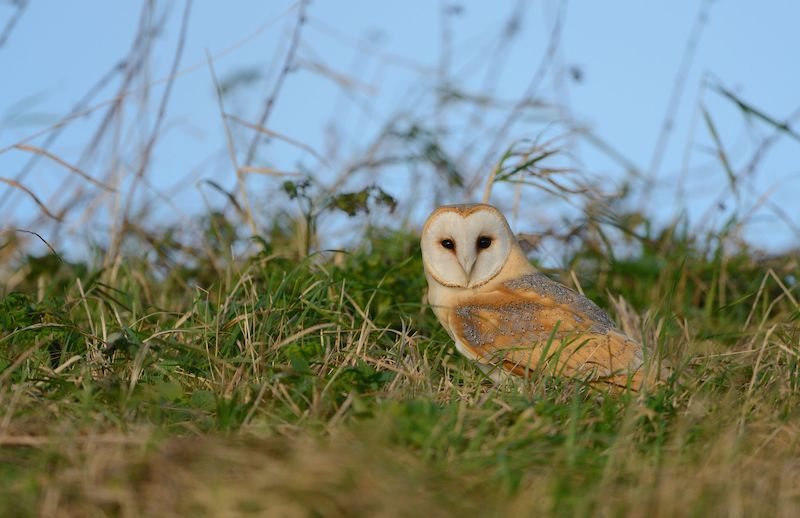
 THIS has been a record-breaking year for barn owls at RSPB Ham Wall in Somerset with five breeding pairs successfully raising 25 owlets. It follows last summer which was the site’s poorest year for barn owls with just two breeding pairs recorded and no chicks fledging after both nests failed at the egg stage.
Food shortage likely played a large part in this. Field voles are one of the most important prey species for barn owls and can make up around 45 per cent of their diet. Consecutive winters of flooding and summertime droughts in Somerset could have caused resident vole populations to become displaced.
Steve Couch, RSPB Ham Wall warden, said: “I’ve checked the barn owl nest boxes for the past 20 years and this is by far the best breeding season we’ve ever recorded. I’m over the moon, they’re such an iconic species and people really delight in them.
“Last winter, whilst we were still very wet, we survived a lot better and the reserve felt more resilient. This probably gave the voles a good start. Rainfall at the right time of year can lead to a fresh flush of grasses, which is great for the voles that feed on it. Two years ago, we had virtually no rain from March right through the breeding season. This meant that grasses went over quickly, and you didn’t get the nice, lush regrowth which the voles love. This had a big knock-on effect on their numbers and of course barn owl numbers too.”
The RSPB would like to thank The Hawk and Owl Trust, which surveys and rings barn owls at the reserve. While RSPB Ham Wall enjoyed its best recorded barn owl breeding season, the picture across Somerset was much more mixed.
Chris Sperring, conservation officer, from The Hawk and Owl Trust explains: “This breeding season has been one of striking highs and difficult lows. It opened positively, with many barn owl pairs producing large clutches in Somerset. This followed a strong recovery in small mammal populations through the autumn of 2025, when welcome rain and a generous crop of seeds, nuts and berries replenished the countryside after that year’s drought.
“Yet as the months passed, those growing broods began to shrink. Another spell of prolonged heat once again checked grass growth, slowing the breeding cycle of field voles and cutting off that vital food supply for the owls. Several pairs of barn owls attempted second broods, but the nests mostly failed.”
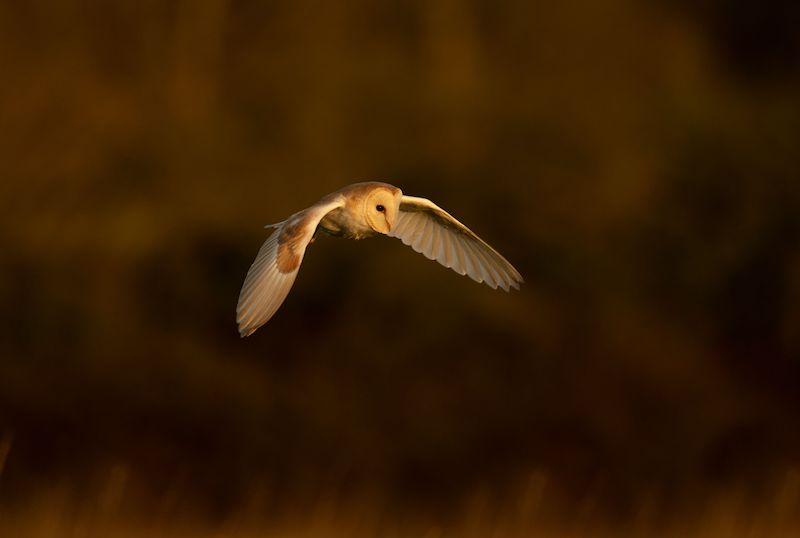 So why was RSPB Ham Wall so successful? The answer lies in water; because the site is a carefully maintained wetland, the grass remained lush and green even through the heat and dry conditions. That steady supply of vegetation sustained the small mammals, which in turn sustained the owls.
The wintering starlings across the Avalon Marshes also help barn owls throughout the colder months. The owls experience high mortality in their first year, particularly during prolonged periods of cold and wet weather. Their hunting relies heavily on sound, and strong winds and rain can make it much harder to detect prey moving through vegetation below. During these periods, starlings provide an alternative food source.
At RSPB Ham Wall, one of the biggest improvements the team has made to support barn owls has been the installation of nest boxes. The nature reserve was originally a post-industrial peat extraction site that has been transformed by staff, volunteers and the local community into the thriving reedbed it is today. However, peat extraction removed many of the mature trees that would once have provided natural nesting cavities for barn owls. Fortunately, the owls have taken quickly to the nest boxes installed on oaks and alders along the edges of fields adjacent to the reedbed.
The grassy banks at RSPB Ham Wall are also managed for field voles. Mowing is rotated to create a variety of grass heights, providing safe places for voles to feed, shelter and breed.
Chris said: “The big lesson from these past two summers is the immense value of wetlands, and the vital importance of how we manage them. We can celebrate these wonderful results today, but they also remind us of the extraordinary diversity of life that this magical place supports. My sincere thanks to Steve Couch and all the staff and volunteers at RSPB Ham Wall for making us so welcome during our annual visit. The Barn Owls are, without doubt, one of the many jewels in this reserve’s crown.”
Photographs of a barn own hunting and a barn owl on the ground by Ben Andrew