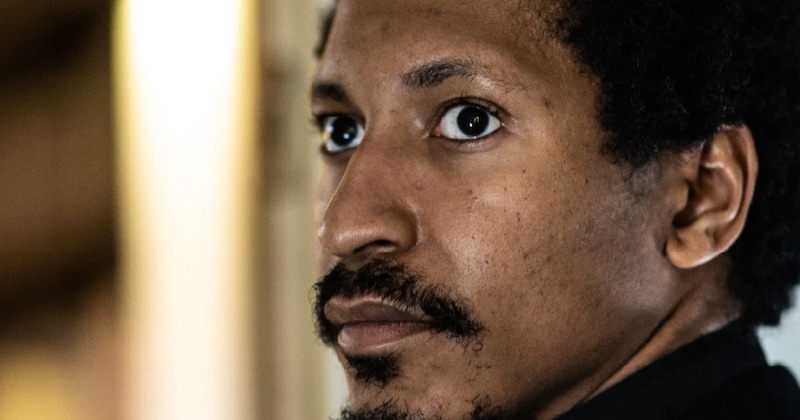
 THE story of Frederick Douglass, one of the great names of the campaign on both sides of the Atlantic to abolish slavery, is told in a powerful new play, The Ocean Can Be A Bridge, by Dave Samuels and Richard Bradbury, coming to Bridport Arts Centre on 6th October.
The global campaign to end slavery mobilised tens of thousands who were appalled by the brutality of a system in which human beings were regarded as property, to be used, sold and bought like rolls of cotton and sacks of sugar. By 1845 the last remaining major site of chattel slavery in the northern hemisphere were the southern states of the USA.
The outrage against this was fuelled by a series of slave narratives – the autobiographies of escaped slaves. In 1845 Frederick Douglass published his scathing description of his experiences and in an unprecedented and brave move named names and identified places.
This act placed him at danger, not only from bounty hunters hired to hunt down runaways but also from the many – with something to lose (wealth, power, etc) – who called him liar and fraud. To avoid all of this, he crossed the Atlantic to Britain.
For 18 months he toured the length and breadth of Britain, speaking to crowds numbering thousands and mobilising public sentiment against slavery again.
The abolitionists in Britain had a wide network of friends and supporters, who sustained his visit. But they were divided in their views on the way to end slavery; by radical measures or by more moderate approaches. Douglass plunged into these debates, trying to unite the divisions while remaining true to his convictions.
The play, starring Brandon Benoit-Joyce as Frederick Douglass, is also at Alma Tavern and Theatre, in Bristol, from 7th to 10th October.