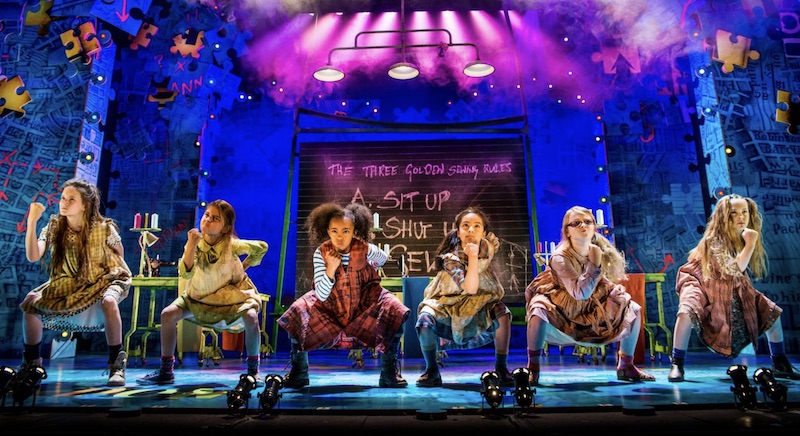
 WHEN Thomas Meehan was first approached to write the book for a musical based on the comic strip Little Orphan Annie, after careful research he decided that none of the stories contained in Harold Gray’s cartoon comic strip, which was printed in newspapers from 1924 to 2010, would make a good basis for a stage musical. And so he wrote his own story, using Gray’s characters. After a rather rocky start the show featuring a feel good musical score by Charles Strouse, lyrics by Martin Charnin, finally reached Broadway where it anchored itself for just under six years, and has been in constant production throughout the world ever since.
The public fell in love with this tuneful rather sentimental tale of Little Orphan Annie’s rise from bullied neglected orphan to pampered beloved of multi millionaire Daddy Warbucks. During the story, set in 1933, Annie and Warbucks meet and befriend the new USA president Franklin D Roosevelt, and support his New Deal programme. In his comic strip stories, the ultra right-wing Gray violently disapproved of Roosevelt and his new deal, organised labour and communism, and would probably not have liked Meehan’s storyline, but audiences all over the world love and approve of the Meehan use of Gray’s characters.
It is a story and score full of American schmaltz and oohhs and ahhs, so no need therefore to push for greater dramatic effects or humorous moments, they all come easily out of this script and score. So in the touring production in Bristol until Saturday 22nd August, who do we blame – the original director Nikolai Foster or the tour’s resident director Simon Greiff, for the fact that the cast forces much of the dialogue and vocals as if, like a poor punch line in a joke, they needed to be underlined with a thick pencil in order to gain full effect.
From their first Hard-Knock Life number through to the happy-ever-after ending, the six orphans and Annie shouted almost every line and attacked the vocals and dialogue with the sort of aggression usually associated with a jukebox musical. There is no doubting that all seven of these young players, bursting with verve and vitality, have the dramatic, vocal and dance talent to vary their presentation, and even within the restricted range they have been asked to follow they are impressive. Sorry, but I am unable to put names to any of the 22 youngsters who share the roles during the nationwide tour, because, despite the programme carrying pictures and full details of their theatrical CVs, the company does not identify who is actually performing at each performance “ due to protection of the children”.
As is usual in any production of Annie, the adults have a battle on their hands from the start to hold their own over the dreaded combination of children and animals [in this cast a loveable dog, Dizzy or Amber] all too ready, willing and able to do a little scene-stealing. The outrageous, bitter, sexually frustrated alcoholic orphan supervisor Miss Hannigan, who feels life has passed her by, is a gift of a role that has attracted the likes of Sheila Hancock, Carol Burnett, Kathy Bates and Cameron Diaz. Bringing all her acting, singing and experience as a TV personality to the table, Carol Sweeney was not going to let such an opportunity slip through her fingers no matter how many children or cute dogs were in opposition. Neither was Alex Bourne, with the experience of playing Billy Flynn in Chicago and Edna Turnblad in Hairspray behind him, painting a more controlled portrait of the hard outer shelled, soft-hearted billionaire Daddy Warbucks.
When you consider that it was choreographer Ann Reinking, one time partner of the legendary Bob Fosse, who played Warbucks’ loyal secretary Grace Farrell in the 1982 film, it was strange to find the elegantly poised Tanisha-Mae Brown sidelined during most of the dance routines. But no question of sidelining either Christian Cooper or Amber Kennedy, who were both in flamboyant moods as they brought Miss Hannigan’s con-man brother Rooster and his flashy girlfriend Lily St Regis to vivid life.
Some nice characters emerged among the fully committed eight-strong ensemble as they responded in fine style to the vigorous playing of Charles Strouse’s score by a similar number of live musicians, all in an enjoyable production which would be even more enjoyable if the natural schmaltz in the story was allowed to dominate.
GRP