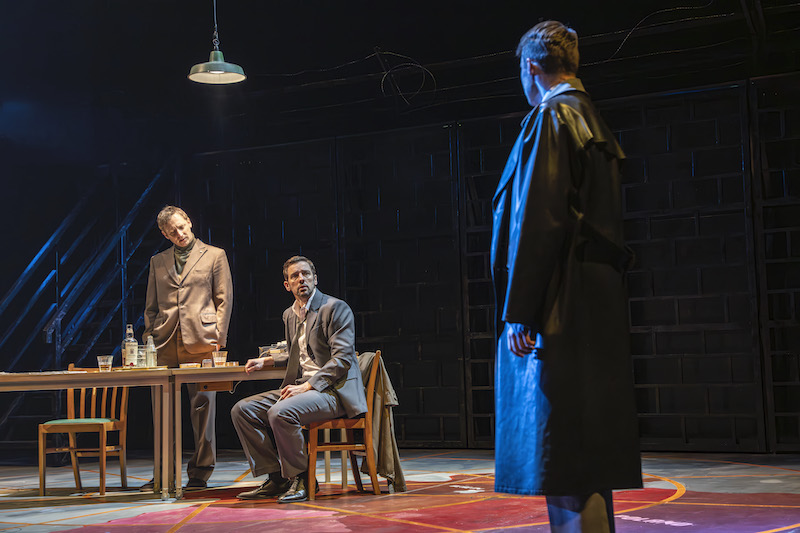
 THE first stage adaptation of former spy John Le Carre’s 1963 novel The Spy Who Came In from the Cold starts with an introduction to the settings and the characters. It is 1961, the audience is told in Jeremy Herrin’s Chichester production, which is ending its lengthy UK tour at Bath, until 22nd August.
The tense world has watched as the East German government has ordered a wall to be built across Berlin, recognised as the potential flashpoint for Communism and Capitalism to turn their Cold War hot. Alec Leamas has come to the end of his time as bureau chief in the German city, just as his best and last agent has been shot by the former Nazi, still Jew-hating, now Communist spy Mundt. Leamas is back in the UK to discuss his resignation with the elusive Control, head of The Circus (as Le Carre names MI6).
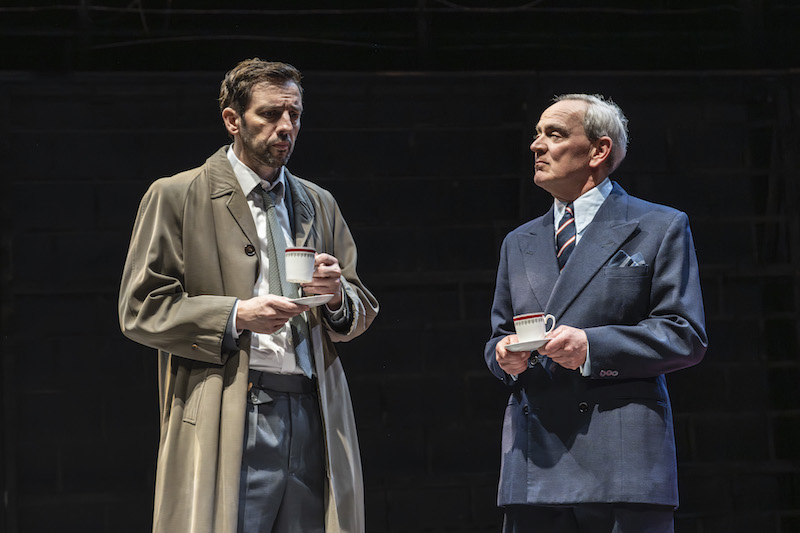 Perhaps you, like me, know most about The Circus from the brilliant 1979 television adaptation of Tinker, Tailor, Soldier, Spy, or the film that followed it in 2011. Both of them evoked the atmosphere of fear, the pace, the look and the sound of the early 1960s.
I am a great fan of Jeremy Herrin’s direction – Wolf Hall, Junkyard, Grace Pervades, Fool for Love and the great Chichester Uncle Vanya are just a few of his most memorable plays. For the cast, this is the end of a long tour in what is the hottest summer anyone can remember (although Bath Theatre Royal has marvellously effective air conditioning.)
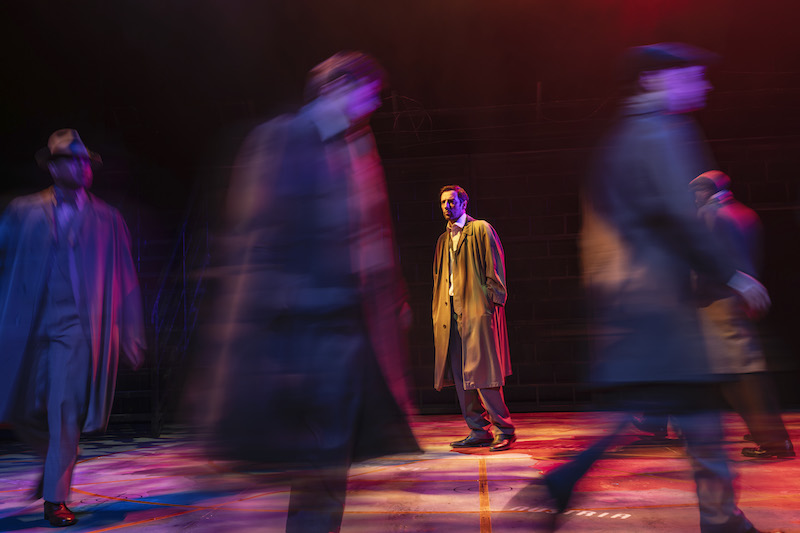 The Chichester run, and the 14 weeks the show spent in London, had Rory Keenan as Leamas. The tour has Royle Family and Two Pints of Lager and a Packet of Crisps star Ralf Little in the demanding central role. Max Jones has designed a black box set with minimal props, lots of that currently-popular neon tubing flashing on and off to heighten the tension and a colour-coded floor plan which is visible to some members of the audience.
This production and its tour have drawn huge praise from critics and audiences, and there was that ubiquitous whooping at the Bath press night, along with those astonished gasps when something that was absolutely always going to happen did happen. For me, Le Carre’s complex and chilling story was dimmed by overwrought acting – and the casting of one actor to play both George Smiley and the German defence counsel Karden, which I suppose was meant as a clever nod to the fact that both sides have similar characters using similar methods, was an error, adding confusion and diminishing tension.
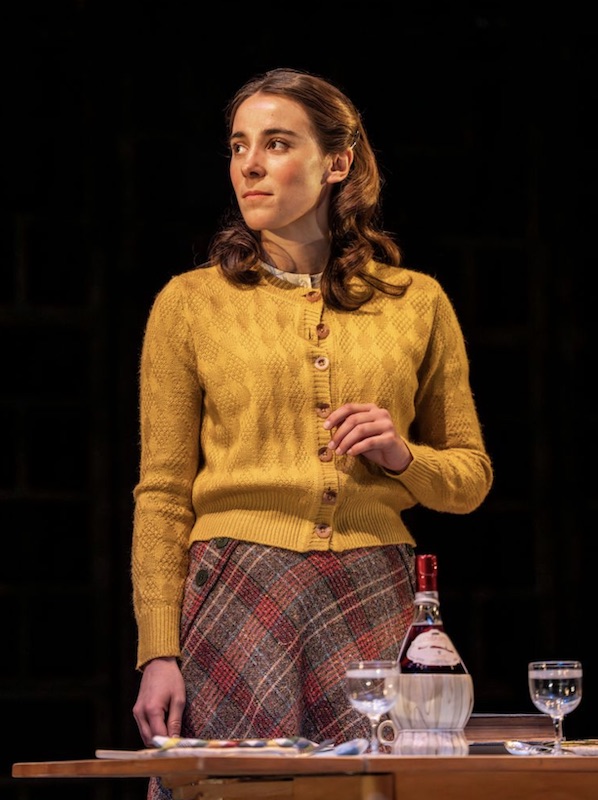 The only sympathetic character in this story is Liz Gold, and she is determinedly and tenderly played by Grainne Dromgoole. Peter Losasso lacks the cold chill of Mundt, and the rest of the cast, milling around the “atmospherically lit” stage in a variety of costumes, seem to be telling a different story. Leamas’s constant tetchy anger diminishes the outburst that should really shake the audience, seeming more like bad temper than deep and weary disillusionment. Mostly, it’s just too modern – but perhaps that is what is wanted.
GP-W
Photographs Johan Persson